
All Posts By

admin

Choosing a Superannuation Fund

A woman in work attire standing with her arms crossed and one hand on her chin thinking deeply.

Superannuation, also known as super, is a crucial aspect of financial planning for individuals and families in Australia. It provides a means to save for retirement and secure a comfortable future. However, with a multitude of super funds available, choosing the right one can be overwhelming. In this comprehensive guide, we will explore the factors to consider when selecting a superannuation fund in Australia. From comparing performance and fees to analyzing investment options and insurance offerings, this article will equip you with the knowledge needed to make an informed decision.

Understanding Superannuation Funds

What is Superannuation?

Superannuation is a system in Australia designed to help individuals save for their retirement. It operates on a compulsory contribution basis, where both employees and employers contribute a percentage of the employee’s salary into a superannuation fund.

Types of Superannuation Funds

There are several types of superannuation funds available in Australia, including:

  1. Industry Funds: These funds are typically run by industry or employer associations and are open to employees working in a specific industry.
  2. Retail Funds: Retail funds are offered by financial institutions such as banks and investment companies. They are available to the general public.
  3. Corporate Funds: Corporate funds are established by employers for their employees. These funds are often tailored to meet the specific needs of the company and its employees.
  4. Self-Managed Superannuation Funds (SMSFs): SMSFs are a type of superannuation fund where the members are also the trustees. This gives individuals greater control over their investments but also requires additional responsibilities.

The Importance of Choosing the Right Superannuation Fund

Choosing the right superannuation fund is crucial, as it can significantly impact your retirement savings. Factors such as fund performance, fees, investment options, and insurance offerings can vary between funds. By selecting a fund that aligns with your financial goals and risk tolerance, you can maximize the growth of your superannuation savings over time.

Factors to Consider When Choosing a Superannuation Fund

Performance

Superannuation fund performance is an essential factor to consider when choosing a fund. It is crucial to compare a fund’s investment performance over an extended period, typically five years or more. Look for consistent returns and consider the impact of fees and costs on the overall performance.

Fees

Fees can significantly impact the growth of your superannuation savings. It’s important to compare the fees charged by different funds, including administration fees, investment fees, and any other charges. Generally, lower fees are preferable, as they leave more of your money invested and working for you.

Investment Options

Different superannuation funds offer a variety of investment options. These options can range from conservative to high-growth, and may include diversified portfolios, ethical investments, or sector-specific investments. Consider your risk tolerance and investment preferences when evaluating the investment options offered by different funds.

Insurance Offerings

Superannuation funds often provide insurance options for their members, including life insurance, total and permanent disability (TPD) insurance, and income protection insurance. Assess the premium rates, coverage amounts, and any exclusions or definitions that may affect you. It’s important to choose a fund that offers insurance that aligns with your needs and circumstances.

Additional Services

Some superannuation funds offer additional services beyond the standard investment and insurance offerings. These services may include financial advice, educational resources, and assistance with financial planning. Consider whether these additional services align with your needs and if they add value to your overall superannuation experience.

Choosing the Right Superannuation Fund

Research and Comparison

To make an informed decision when choosing a superannuation fund, it’s essential to conduct thorough research and comparison. Start by researching different funds and their offerings. You can use resources such as the ATO’s YourSuper comparison tool, which provides an online list comparing MySuper products. Additionally, explore the product disclosure statements (PDS) for each fund to gain a deeper understanding of their offerings.

Comparison Websites

Non-government super comparison websites can also be valuable resources when comparing superannuation funds. Websites such as Canstar, Chant West, Morningstar, RateCity, SelectingSuper, and SuperRatings provide information on fund performance, fees, investment options, and additional services. However, it’s important to note that these comparison websites may have promotional links and may not cover all available options.

Seek Professional Advice

If you find the process of choosing a superannuation fund overwhelming or require personalized guidance, it may be beneficial to seek advice from a qualified financial adviser. A financial adviser can assess your individual circumstances, goals, and risk tolerance to recommend suitable superannuation fund options.

Conclusion

Choosing the right superannuation fund is a crucial step towards securing a comfortable retirement. By considering factors such as performance, fees, investment options, insurance offerings, and additional services, you can make an informed decision that aligns with your financial goals and circumstances. Remember to conduct thorough research, compare different funds, and seek professional advice if needed. With the right superannuation fund, you can optimize your retirement savings and enjoy financial security in the future.

Additional Information

It’s important to regularly review and reassess your chosen superannuation fund to ensure it continues to meet your needs and goals. Life circumstances and financial objectives may change over time, and it’s essential to adjust your superannuation strategy accordingly. Regularly monitor your fund’s performance, fees, and investment options to ensure they align with your expectations. Additionally, consider seeking professional advice whenever significant life events occur, such as marriage, divorce, or starting a family, to ensure your superannuation remains on track to meet your long-term goals.
Compare Super Funds

Retail super funds

View and compare rates, performance and fees today.

Industry super funds

View and compare rates, performance and fees today.

Cryptocurrency Wallets: Understanding the Different Types

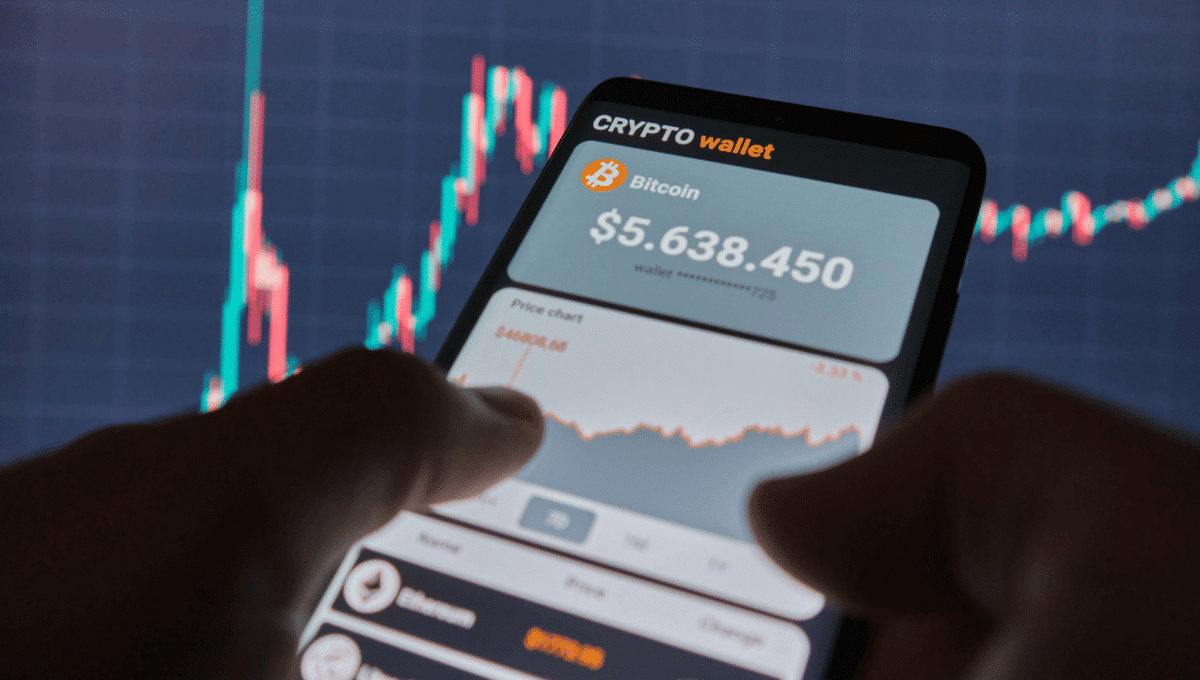
Two hands holding a phone with a crypto wallet app open.

Cryptocurrency wallets are digital wallets that allow users to store and manage their digital assets. They work similarly to regular wallets except that they can be a physical medium, application, or service. In this article, we’ll learn more about the various types of wallets, their security features, and how to choose the right one.

Types of crypto wallets

Crypto wallets come in three categories: hot, cold, and hybrid wallets.

Hot wallets

Hot wallets are a type of cryptocurrency wallet that is connected to the internet. Examples of hot wallets include mobile wallets and web wallets. Hot wallets are often used for day-to-day transactions because they are convenient and easy to use.

However, hot wallets are considered less secure than cold wallets because they are more susceptible to hacking and other security risks. To minimise risk, it is important to use reputable hot wallets and take precautions such as enabling two-factor authentication and regularly backing up private keys.

  • Mobile wallets: These are apps that can be downloaded on a mobile device, such as a smartphone or tablet. Examples include Coinbase, Trust Wallet, and BRD.
  • Web wallets: These are wallets that are accessed through a web browser. They can be hosted by a third-party service or run locally on the user’s computer. Examples include MyEtherWallet, MetaMask, and Exodus.
  • Desktop wallets: These are wallets that are installed on a desktop computer or laptop. They can be used to store a wide range of cryptocurrencies and offer more features than mobile wallets. Examples include Electrum, Armory, and Bitcoin Core.
  • Exchange wallets: These are wallets that are provided by cryptocurrency exchanges. They allow users to store their cryptocurrency on the exchange and trade it with other users. Examples include Binance, Kraken, and Bitfinex.

Cold wallets

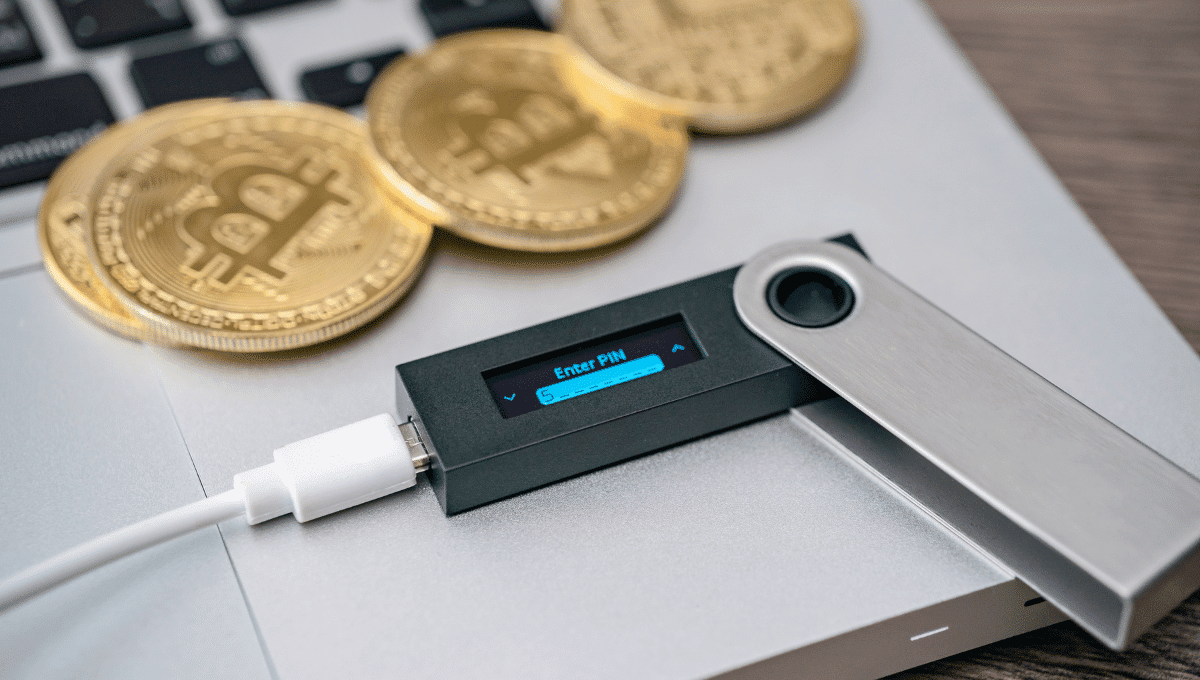
closeup of a hardware wallet with crypto coins beside it


This type of cryptocurrency wallet is offline and considered more secure than hot wallets. Cold wallets are often used to store large amounts of cryptocurrency for long-term holding.

However, they can be less convenient to use than hot wallets and require more setup and maintenance. It is important to use reputable cold wallets and store them in a secure location to prevent loss or theft.

Hardware wallets: These are physical devices that store cryptocurrency offline. They are considered the most secure type of wallet because they are not vulnerable to hacking. Examples include Ledger Nano X, Trezor, and KeepKey.

Paper wallets: These are wallets that are created by printing out a paper wallet address and private key. They are considered one of the most secure types of wallets because they are offline and not vulnerable to hacking. However, they can be difficult to use and require a higher level of technical knowledge. Examples include BitAddress and WalletGenerator.net.

Offline software wallets: These are wallets that are installed on a computer or device that is not connected to the internet. They offer more security than hot wallets but less security than hardware wallets. Examples include Electrum offline, Armory, and Bitcoin Core offline.

Cold storage exchanges: Some cryptocurrency exchanges offer cold storage options, where users can store their cryptocurrency on the exchange’s offline servers. This is less secure than using a hardware wallet but more secure than leaving cryptocurrency on a hot wallet. Examples include Coinbase Custody, Gemini, and BitGo.

Physical coins and bars: These are physical coins or bars that contain a private key for a cryptocurrency wallet. They offer a unique way to store cryptocurrency offline and can be used as a backup option. Examples include Casascius coins and Denarium coins.

Hybrid wallets

Hybrid wallets are a type of cryptocurrency wallet that offer a combination of features from both hot and cold wallets. They are often used by businesses or organisations that require both security and convenience. However, hybrid wallets can be more complex to use than other types of wallets and require a higher level of technical knowledge.

  • Desktop wallets: These are wallets that are installed on a desktop computer or laptop. They can be used to store a wide range of cryptocurrencies and offer more features than mobile wallets. Desktop wallets can be considered a hybrid wallet because they can be both hot and cold, depending on whether the computer is connected to the internet. Examples include Electrum, Armory, and Bitcoin Core.
  • Multisig wallets: These are wallets that require multiple signatures to complete a transaction. They offer an extra layer of security because they require multiple parties to agree on a transaction. Multisig wallets can be used in combination with hot or cold wallets. Examples include Copay, BitGo, and GreenAddress.
  • Web-based wallets with cold storage: Some web-based wallets offer a combination of hot and cold storage. They allow users to access their cryptocurrency online, but also offer a cold storage option for extra security. Examples include Coinbase Vault, BitGo Instant, and Xapo.
  • Smart contract wallets: These are wallets that are created using smart contracts on the blockchain. They offer more advanced features than traditional wallets, such as the ability to create decentralised applications and execute complex transactions. Smart contract wallets can be considered a hybrid wallet because they can be both hot and cold, depending on the user’s setup. Examples include Gnosis Safe, Argent, and MyEtherWallet.
  • Mobile wallets with biometric authentication: Some mobile wallets offer biometric authentication, such as fingerprint or face recognition, for added security. These wallets can be considered a hybrid wallet because they offer the convenience of a hot wallet with the added security of biometric authentication. Examples include Edge, Bread, and Abra.

Crypto wallet security

Public and private keys are essential components of cryptocurrency wallets. Public keys are used to receive cryptocurrency, while private keys are used to send cryptocurrency. Both keys are generated when a wallet is created, and they work together to facilitate transactions.

Public keys can be shared with others to receive cryptocurrency, while private keys must be kept secure to prevent unauthorised access to the wallet. It is important to store private keys in a secure location, such as a hardware wallet or offline storage device, to prevent theft or loss.

Seed phrases are another important component of cryptocurrency wallets. A seed phrase is a series of words that are used to backup and restore a wallet. When a wallet is created, a seed phrase is generated and can be used to recover the wallet in case the private keys are lost or stolen. It is important to keep seed phrases secure and never share them with anyone else.

How to choose cryptocurrency wallet

When choosing a cryptocurrency wallet, it is important to consider factors such as security, convenience, and compatibility. It is also important to evaluate a wallet’s security features, such as whether it uses multi-factor authentication and whether it allows users to control their private keys.

Additionally, it is important to follow best practices for storing and managing cryptocurrency, such as keeping private keys and seed phrases secure and regularly updating software.

Conclusion

In conclusion, cryptocurrency wallets are essential tools for managing digital assets. There are different types of wallets available, each with their own advantages and disadvantages. It is important to secure private and public keys and seed phrases, as well as to choose a wallet that meets your needs and offers strong security features. By following best practices for managing cryptocurrency, users can minimise the risk of theft or loss and enjoy the benefits of this emerging technology.


Multisig Wallets: Enhancing Security in Crypto Transactions

digital wallet secured with multiple locks, symbolizing multisig technology, surrounded by cryptographic symbols and digital elements

In the ever-evolving world of cryptocurrency, securing digital assets is paramount. This is where multisig wallets, short for multi-signature wallets, come into play as a pivotal tool for enhancing security. This article delves into the concept of multisig wallets, exploring their functionality, benefits, and typical use cases.

What Is a Multisig Wallet?

A multisig wallet is a type of digital wallet that requires multiple signatures or approvals before a transaction can be executed. Unlike traditional wallets, which require only a single signature from the owner, multisig wallets add an extra layer of security by involving multiple parties or devices in the approval process.

How Does a Multisig Wallet Work?

Multisig wallets operate on the principle of ‘M-of-N’ signatures. This means that out of ‘N’ total possible signatories, at least ‘M’ signatures are required to authorize a transaction. For example, in a 2-of-3 multisig setup, there are three possible signatories, but only two need to approve a transaction for it to be valid.

The process typically involves the following steps:

Transaction Initiation: One party initiates the transaction, proposing a transfer of cryptocurrency.

Approval Process: The transaction requires the specified number of approvals from other designated signatories.

Execution: Once the required number of signatures is obtained, the transaction is executed and recorded on the blockchain.

Benefits of Multisig Wallets

  • Enhanced Security: By requiring multiple approvals, multisig wallets reduce the risk of fraud or theft. Even if one key is compromised, unauthorized transactions cannot be executed.
  • Error Checks: The involvement of multiple parties in transaction approval minimizes the risk of errors or unauthorized transactions.
  • Shared Control: Multisig wallets are ideal for organizations or groups, as they require consensus for transactions, promoting transparency and shared responsibility.
  • Recovery Options: In cases where a key is lost, other signatories can still access the funds, providing a backup for asset recovery.

Use Cases for Multisig Wallets

  • Corporate Governance: In businesses, multisig wallets can ensure that financial transactions are approved by multiple executives or departments, aligning with internal controls and audit requirements.
  • Family Trusts and Joint Accounts: They are useful for managing joint funds, requiring consensus among family members or partners for expenditures.
  • Escrow Services: Multisig wallets can act as a neutral third party in transactions, releasing funds only when all parties fulfill their contractual obligations.
  • Backup and Recovery: For individual users, multisig wallets can serve as a means of backup, with multiple devices or trusted individuals involved in the key management.

Challenges and Considerations

While multisig wallets offer heightened security, they are not without challenges. They can be more complex to set up and manage, requiring coordination among all parties. Users must carefully select trusted co-signers and establish clear protocols for transaction approvals.

Conclusion

Multisig wallets represent a significant advancement in the realm of cryptocurrency security. By requiring multiple approvals for transactions, they provide an effective safeguard against unauthorized access and fraud. Their applicability ranges from personal use for enhanced security to corporate governance, showcasing their versatility. As the cryptocurrency landscape continues to grow and evolve, the role of multisig wallets as a critical security tool is likely to expand, offering users peace of mind and control over their digital assets.


FOMO and FUD: How Emotions Can Affect Crypto Investing

A Blackboard with FOMO written vertically in yellow and "Fear of missing out written horizontally in white to spell out the meaning

If you’ve ever found yourself constantly checking the value of your cryptocurrency investments, refreshing your social media feeds for the latest news, and feeling a sense of panic or excitement with every market fluctuation, you’re not alone. Fear of missing out (FOMO) and fear, uncertainty, and doubt (FUD) are two powerful emotions that can have a significant impact on crypto investing.

In this article, we’ll explore how these emotions work, how they can influence your investment decisions, and what you can do to manage them effectively. So, buckle up and get ready to learn how to navigate the emotional rollercoaster of the crypto world!

FOMO: What It Is and How It Affects Crypto Investing

FOMO is the fear of missing out on a potential profit opportunity. In crypto investing, this fear can be triggered by a sudden increase in the value of a particular cryptocurrency. Investors may feel pressured to buy the crypto in question, even if it’s not a good investment choice. The psychological factors behind FOMO include a fear of regret and a desire to belong to a community of successful investors. Giving in to FOMO can lead to buying high and selling low, which is not a profitable investment strategy. To avoid FOMO, it’s important to have a rational investment plan and to stick to it.

How to overcome FOMO

  • Have a clear investment plan: Define your investment goals, risk tolerance, and long-term strategy. Stick to this plan, even if there are short-term fluctuations in the market.
  • Do your research: Take the time to research and analyse the cryptocurrency before investing. Don’t rush into a decision based on hype or fear of missing out.
  • Diversify your portfolio: Don’t put all your money into one cryptocurrency. Diversify your portfolio to reduce the risk of losing all your investment.
  • Keep a level head: Don’t let your emotions dictate your investment decisions. Stay calm and rational when evaluating the market and making investment choices.
  • Limit your exposure to social media: Social media can amplify FOMO, so it’s important to limit your exposure to platforms that trigger this emotion.
  • Focus on long-term gains: Remember that cryptocurrency investing is a long-term game. Don’t get caught up in short-term gains or losses. Focus on the long-term potential of your investments.

FUD: What It Is and How It Affects Crypto Investing

FUD is the fear, uncertainty, and doubt that investors feel when the market takes a turn for the worse. This emotion can be triggered by a sudden drop in the value of a particular cryptocurrency, news of a hack or scam, or other negative developments in the crypto world.

The psychological factors behind FUD include a fear of loss and a lack of trust in the market. Giving in to FUD can lead to panic selling, which can cause a further drop in the value of the cryptocurrency. To avoid FUD, it’s important to have a long-term investment strategy and to not make decisions based on short-term market fluctuations.

How to overcome FUD

  • Stay informed: Keep up-to-date with news and developments in the crypto market. Don’t rely on rumours or hearsay.
  • Analyse the source: Verify the source of the news or information before acting on it. Look for reputable sources and avoid relying on unverified or anonymous sources.
  • Stick to your investment plan: FUD can cause panic selling, which can lead to further market declines. Stick to your long-term investment plan and don’t make decisions based on short-term market fluctuations.
  • Keep a level head: Don’t let your emotions dictate your investment decisions. Stay calm and rational when evaluating the market and making investment choices.
  • Analyse the potential impact: Analyse the potential impact of negative news or events on the cryptocurrency and the overall market. Don’t make hasty decisions based on fear or uncertainty.
  • Seek expert advice: Consult with financial experts or other investors who have experience in the crypto market. Get a second opinion before making a major investment decision.

Case Study: The Bitcoin Crash of 2018

The Bitcoin crash of 2018 is a prime example of how fear and emotional investing can affect the crypto market. In December 2017, Bitcoin reached an all-time high of $19,783. By December 2018, it had dropped to $3,183, a decrease of over 80%.

During this time, many investors panicked and sold their Bitcoin, fearing that it would continue to lose value. This panic selling contributed to the crash and made the situation worse. The lesson learned from the Bitcoin crash is that it’s important to have a long-term investment plan and to not make decisions based on short-term market fluctuations.

Managing Emotions in Crypto Investing

To manage emotions in crypto investing, it’s important to have emotional self-awareness. This means being aware of your own emotional triggers and how they can affect your decision-making. Techniques for managing emotions in crypto investing include mindfulness, deep breathing, and meditation.

It’s also important to have a rational investment plan that takes into account long-term market trends and to stick to that plan. Finally, building a support network of other investors and seeking advice from financial experts can also be helpful in managing emotions in crypto investing.

Conclusion

In conclusion, fear, greed, and emotional investing are common reasons why people invest in crypto. FOMO and FUD are two emotions that can affect crypto investing and lead to irrational decision-making. To manage emotions in crypto investing, it’s important to have emotional self-awareness, a rational investment plan, and a support network of other investors and financial experts. By following these strategies, you can make rational investment decisions and avoid the pitfalls


Understanding Bitcoin Halving: A Comprehensive Guide

a divided Bitcoin symbol in gold, set against a blue and gray background with binary code, symbolizing the concept of Bitcoin halving.

Bitcoin halving is an essential event in the world of cryptocurrency that occurs every four years. As a Bitcoin investor, it’s crucial to understand the significance of this event and how it can potentially impact your investments. In this comprehensive guide, we will delve into the concept of Bitcoin halving, its mechanism, and its historical effects on the price of Bitcoin.


What is Bitcoin Halving?

Bitcoin halving is a periodic event that takes place approximately every four years, or after every 210,000 blocks. During this event, the block reward for Bitcoin miners is cut in half, leading to a decrease in the rate at which new Bitcoins are created. This reduction in the mining reward is what gives the event its name – halving.

The ultimate goal of Bitcoin halving is to regulate the supply and inflation rate of Bitcoin. The total number of Bitcoins that can ever exist is capped at 21 million, and Bitcoin halving ensures that these coins are gradually released into circulation. By reducing the mining reward over time, Bitcoin halving creates a disinflationary scenario for the digital currency.


How Does Bitcoin Halving Work?

To understand how Bitcoin halving works, we first need to grasp the basics of Bitcoin mining. Mining is the process through which miners validate Bitcoin transactions and add them to the blockchain. It is also the process through which new Bitcoins are introduced into circulation.

Miners compete against each other using computational power to solve complex mathematical puzzles, a process known as Proof-of-Work. The miner who successfully solves the puzzle first gets to add the next block of verified transactions to the blockchain and receives newly-generated Bitcoins as a reward.

The Bitcoin protocol ensures that blocks are added to the blockchain approximately every 10 minutes on average. However, the time it takes to mine 210,000 blocks can vary depending on the computational power of the network. This is why it is challenging to predict the exact date of the halving event.

Bitcoin’s mining difficulty is adjusted regularly based on the number of miners and their combined computing power. This adjustment ensures that blocks are neither added too quickly nor too slowly. In addition to the block reward, miners also receive transaction fees for verifying transactions on the network.

Every 210,000 blocks, which is roughly every four years, the Bitcoin protocol reduces the block reward by 50%. This reduction decreases the rate at which new Bitcoins are created and put into circulation. There will be a total of 32 halving events until the year 2140 when the last Bitcoin will be mined.


The Bitcoin Halving Schedule

The Bitcoin halving events have gradually reduced the block reward over time. When Bitcoin was first launched, the block reward was 50 BTC. However, it has decreased significantly with each halving. The current block reward is 6.25 BTC, and it will be further reduced to 3.125 BTC in the next halving event scheduled for April 2024.

Here is a breakdown of the Bitcoin halving events and their corresponding block rewards:


Halving Event

Block Height

Year

Block Reward (BTC)

1st 210,000 2012 25
2nd 420,000 2016 12.5
3rd 630,000 2020 6.25
4th 840,000 2024 3.125


The halving events gradually decrease the rate at which new Bitcoins are introduced into circulation. This decreasing supply, combined with potential increasing demand, has historically led to price surges in Bitcoin.


Historical Effects of Bitcoin Halving on Price

The halving event has had a significant impact on the price of Bitcoin in the past. While the price surge is not immediate, history has shown that Bitcoin eventually experiences substantial price increases after each halving event, typically around 12 to 18 months later.

During the first halving event in November 2012, the price of Bitcoin was around $12. One year later, it reached over $1,000, representing a remarkable increase of about 9,100%. The market cap of Bitcoin also grew from $129.9 million to $13.7 billion during this period.

The second halving occurred in July 2016 when Bitcoin’s price was $666.38. By July 2017, the price had surged to $2,572.61. Later that year, Bitcoin reached an all-time high of $20,089 on December 17. The market cap of Bitcoin increased from $10.2 billion during the halving to $320.6 billion after the price surge.

The most recent halving took place in May 2020, and since then, Bitcoin has reached new all-time highs. In November 2021, Bitcoin’s price soared to its current ATH of $68,789.63. The market cap of Bitcoin also surpassed $1 trillion for the first time in February 2021.

It’s important to note that while historical trends suggest a positive price impact post-halving, there are no guarantees. The price of Bitcoin can be influenced by various factors, and investors should consider multiple factors when making investment decisions.


Future of Bitcoin Halving

The next Bitcoin halving is expected to occur in April 2024, reducing the block reward to 3.125 BTC. This halving event will bring the total mined Bitcoin supply to 93.75%. Subsequent halvings will continue scaling down the reward until the maximum supply of 21 million coins is reached.

The last halving is projected to take place in 2140, after which miners will no longer receive block rewards. However, transaction fees will still incentivize miners to secure the Bitcoin network. If Bitcoin achieves widespread global adoption by that time, transaction fees should provide sufficient income for miners to continue their operations.

After the last halving, Bitcoin will have its maximum supply of 21 million coins in circulation. This limited supply, combined with potential increasing demand, could further contribute to the value and scarcity of Bitcoin.


Benefits of Bitcoin Halving

Bitcoin halving offers several benefits for investors and the overall Bitcoin ecosystem:

1. Regulating Supply: Halving ensures that the supply of Bitcoin entering circulation is regulated according to a predetermined schedule. This transparency allows market participants to have a clear understanding of Bitcoin’s supply and potential scarcity.

2. Controlling Inflation: As the mining reward decreases over time, Bitcoin’s inflation rate declines, making it a disinflationary asset. Unlike fiat currencies that can be subject to inflation due to continuous money printing, Bitcoin’s limited supply and predictable halving events make it an attractive hedge against inflation.

3. Strengthening Price Performance: The law of supply and demand suggests that if demand outstrips supply, the price of an asset tends to rise. Halving reduces the rate at which new Bitcoins are created, potentially leading to increased demand and upward price momentum.


Conclusion

Bitcoin halving is a significant event that occurs every four years, reducing the block reward for miners and regulating the supply of new Bitcoins. This event has historically had a positive impact on the price of Bitcoin, with significant price surges occurring after each halving.

While past performance is not indicative of future results, halving presents an opportunity for investors to take advantage of potential price increases. However, it’s essential to consider other factors and conduct thorough research before making investment decisions.

As BTC halving continues to occur in the future, it will further decrease the rate at which new Bitcoins are created, ultimately leading to a maximum supply of 21 million coins. The scarcity and potential value of Bitcoin make it an intriguing asset for long-term investors.

By understanding the concept of Bitcoin halving and its historical effects, investors can navigate the cryptocurrency market with greater insight and make informed decisions about their Bitcoin investments.


What is Dogecoin and How Does it Work?

a smiling Shiba Inu, Dogecoin's mascot, surrounded by coins with Dogecoin symbols on a black background with a digital grid pattern.

Introduction

Dogecoin, a cryptocurrency that began as a playful meme, has surprisingly evolved into a significant player in the digital currency landscape. Despite its lighthearted origins, it has carved out a place among the top cryptocurrencies in terms of market capitalization. This article dives into the intriguing world of Dogecoin, unravelling its features, usage, and the potential it holds for future growth.

The Genesis of Dogecoin

A Light-Hearted Beginning

Dogecoin was launched in 2013 by Billy Markus and Jackson Palmer, initially as a humorous take on Bitcoin’s increasing fame. Its mascot, the Shiba Inu dog from the “Doge” meme, captures the fun spirit of this digital currency.

Building a Community

Unlike many cryptocurrencies which are often seen through a purely financial lens, Dogecoin cultivated a unique, community-driven culture. This aspect has been pivotal in its growth, creating a loyal and enthusiastic user base.

The Mechanics of Dogecoin

User-Friendly Technology

Dogecoin, like its peers, operates on blockchain technology. It’s renowned for its user-friendly nature, with faster block times and lower transaction fees compared to many other cryptocurrencies. This makes Dogecoin particularly suited for smaller, everyday transactions.

Mining Process

Mining Dogecoin is less resource-intensive than some other cryptocurrencies. It can be done on standard computers, making it more accessible to a broader audience. This inclusivity is a cornerstone of Dogecoin’s appeal.

Dogecoin’s Unique Edge

Distinguishing Features

Dogecoin stands out with several distinctive traits:

  • Decentralisation: It operates without central authority control, maintained by a network of users.
  • Community Focus: The vibrant Dogecoin community is a key driver of its popularity.
  • Rapid Transactions: Dogecoin boasts a block time of just one minute.
  • Minimal Fees: It offers low transaction fees, ideal for microtransactions.
  • Inflationary Nature: Unlike Bitcoin’s capped supply, Dogecoin adds new coins to its supply, aiming for price stability.

Security and Applications

While Dogecoin offers certain advantages, it’s less secure than Bitcoin and has fewer practical applications than Ethereum, which limits its use in some scenarios.

Utilising Dogecoin

Dogecoin’s uses extend beyond simple transactions. It’s been employed for charitable contributions, online purchases, and even tipping content creators. Notably, it’s accepted by prominent companies like SpaceX and Tesla, showcasing its growing mainstream acceptance.

The Critique of Dogecoin

Critics point out Dogecoin’s lack of serious development and practical applications, labelling it more as a cultural phenomenon than a solid investment. Its volatility and market trends dependency add to its investment risks. However, its proponents appreciate its accessibility and the enjoyment it brings to the cryptocurrency world.

The Road Ahead for Dogecoin

The future of Dogecoin is a subject of much debate. While some anticipate continued growth, others foresee a decline. Nonetheless, endorsements from major companies and celebrities hint at a potential sustained presence in the crypto arena. Ongoing development within the Dogecoin community could further bolster its practical uses and growth prospects.

Dogecoin’s Evolution and Adaptability

Staying Relevant

Dogecoin’s ability to stay relevant in a rapidly evolving market is noteworthy. Its adaptability and responsiveness to market trends have allowed it to survive and thrive where other cryptocurrencies have faded.

Technological Innovations

Dogecoin developers have continuously worked to improve its blockchain technology, enhancing security and scalability. These technological advancements have contributed to its resilience and growing acceptance as a legitimate cryptocurrency.

Dogecoin in the Global Market

International Adoption

Dogecoin’s adoption is not limited to individual enthusiasts or small-scale transactions. It’s gaining traction globally, with an increasing number of businesses and online platforms accepting it as a form of payment.

Impact on Global Transactions

Dogecoin’s potential to impact global transactions and financial exchanges is significant. Its low fees and fast transaction speeds are appealing for cross-border transactions, making it a viable option for international commerce.

Conclusion

Dogecoin’s journey from a meme to a noteworthy cryptocurrency is a testament to the power of community and cultural appeal in the digital currency space. While it faces criticism for its lack of development and practicality, its low fees and quick transaction speeds make it attractive for small-scale use. Dogecoin’s future might be uncertain, but its impact on the cryptocurrency landscape is undeniable, embodying a unique blend of humour, community, and technology.


Bitcoin vs. Altcoins: Understanding the Differences in the Cryptocurrency World

An illustrative comparison between a golden Bitcoin symbol and a mosaic of colorful altcoin symbols, set against a futuristic digital landscape, for an article on 'Bitcoin vs. Altcoins

In the rapidly evolving realm of cryptocurrencies, Bitcoin has long stood as the undisputed king. However, the advent of numerous other digital currencies, collectively known as “altcoins,” has brought new dynamics to the scene. Each altcoin brings its unique features and potential advantages. With a myriad of options at hand, understanding the differences between Bitcoin and altcoins becomes imperative for anyone exploring the cryptocurrency market. This article aims to demystify these two cryptocurrency categories, offering insights into their distinctive attributes and aiding in informed decision-making.

What is Bitcoin?

Bitcoin, the first decentralized digital currency, emerged in 2009 from the shadows of an enigmatic figure or group known as Satoshi Nakamoto. It operates on a decentralized ledger technology called blockchain. This groundbreaking approach allows users to execute transactions directly, eliminating the need for intermediaries like banks or payment processors.

Notably, Bitcoin is characterized by its capped supply – a total of 21 million coins. This limit ensures its deflationary nature, potentially increasing its value as demand grows. The maintenance of Bitcoin’s blockchain relies on a network of users called “nodes.” These nodes play a critical role in verifying transactions, thus ensuring the integrity and security of the entire system.

What are Altcoins?

The term “altcoins” encompasses a diverse range of digital currencies that emerged following Bitcoin’s creation. These include well-known names like Ethereum, Litecoin, and Ripple, each differing from Bitcoin in various aspects.

Altcoins often operate on different blockchain architectures or utilize distinct consensus mechanisms for transaction verification. For instance, Ethereum has garnered attention for its smart contract functionality, enabling developers to create decentralized applications (dapps) on its platform. Conversely, Litecoin aims to be a more efficient alternative to Bitcoin, offering quicker block generation times and lower transaction fees.

Moreover, some altcoins focus on enhancing user privacy. A prime example is Monero, which uses ring signatures to conceal user identities, offering a higher degree of anonymity.

Spotlight on Altcoin Innovations:

  • Ethereum: As a decentralized, open-source blockchain platform, Ethereum has revolutionized the concept of smart contracts. These contracts automatically execute the terms of an agreement written in code, facilitating the development of sophisticated dapps.
  • Ripple: This digital payment protocol is tailored for fast, cost-effective international money transfers. Operating on the XRP Ledger, its native currency, XRP, streamlines transactions across the network.
  • Litecoin: Created in 2011 by Charlie Lee, a former Google engineer, Litecoin builds on the Bitcoin protocol but introduces key modifications such as reduced transaction times and fees.
  • Cardano: Emphasizing scalability and sustainability, Cardano’s blockchain uses a proof-of-stake consensus mechanism, enhancing transaction verification efficiency.
  • Dogecoin: Initially a playful alternative to Bitcoin, featuring the iconic Shiba Inu dog meme, Dogecoin has gained traction as a serious investment choice for some traders, underpinned by a strong community and social media presence.

Bitcoin vs. Altcoins: Key Technological Differences

A fundamental difference between Bitcoin and altcoins is their underlying technology. While Bitcoin is based on a proof-of-work consensus mechanism, many altcoins have shifted towards proof-of-stake or delegated proof-of-stake models. These variations influence not only the energy efficiency of the networks but also their transaction processing capabilities.

Another critical aspect is governance. Bitcoin’s decentralized ethos stands in contrast to some altcoins that have more centralized governance structures. These structures, often managed by core development teams or foundations, play a significant role in guiding the currency’s evolution and implementation of upgrades.

Furthermore, in terms of market dominance, Bitcoin remains the leader with the highest market cap and widespread adoption. However, certain altcoins have carved out niches, offering unique functionalities or advantages that cater to specific needs or goals.

Choosing Between Bitcoin and Altcoins

The decision between Bitcoin and altcoins is multifaceted, influenced by individual risk tolerance, investment goals, and market perceptions. While Bitcoin is often viewed as a more stable investment due to its established status, altcoins can present opportunities for higher returns, albeit with increased volatility and risk.

Investors should consider their objectives – whether they prioritize long-term growth potential or are drawn to specific features like smart contract capabilities or enhanced privacy. Conducting comprehensive research and seeking guidance from reputable sources is crucial in navigating this choice.

Conclusion

The cryptocurrency landscape, with Bitcoin and altcoins at its forefront, offers a spectrum of opportunities and considerations. Bitcoin, as the pioneer, holds a unique position in the market, but altcoins bring innovation and diversity, addressing various use-cases and preferences. The decision to invest in Bitcoin or altcoins depends on individual circumstances, investment strategies, and a thorough understanding of the market dynamics. As with any investment, informed decision-making, based on research and sound advice, is key


Maximising Long-term Wealth through Dividend Reinvestment

file folder with the spine labelled Dividend Reinvestment Plan

As the saying goes, “time is money,” and this is especially true when it comes to investing. For long-term investors seeking to build a steady stream of income, reinvesting dividends can be a powerful tool for achieving success. 

By reinvesting those earnings back into the investment, investors can benefit from the power of compounding, which can help to generate significant wealth over time. In this article, we’ll explore the importance of reinvesting dividends for long-term income investing success and how it can help to boost your portfolio’s returns.

What Are Dividends?

Dividends represent payments made by corporations to their shareholders, essentially serving as a reward for owning company stock. These distributions may be in cash or additional stock shares. Typically issued quarterly, though some companies opt for monthly or annual payouts, dividends are a vital component of investment, offering a reliable income source.

Importance of Dividends in Long-Term Investing

1. Dividends as a source of income

Dividends can be an important source of income for investors, particularly those who are retired or nearing retirement. Many investors use dividends as a way to supplement their retirement income, and some even rely on them as their primary source of income. Dividends can provide investors with a predictable stream of income, which can be especially valuable during times of market volatility.

2. Dividends as a sign of a healthy company

Companies that pay dividends are often seen as healthy and financially stable. This is because paying dividends requires a company to have consistent earnings and cash flow. Companies that pay dividends also tend to have a long-term focus and prioritise shareholder value. As a result, dividend-paying stocks can be a good indicator of the health and stability of a company.

3. Dividends as a way to beat inflation

Dividends can also help investors beat inflation over the long term. While inflation erodes the purchasing power of money over time, dividends have historically provided investors with a higher rate of return than inflation. As a result, dividend-paying stocks can be a good way for investors to preserve their wealth and stay ahead of inflation.

4. Historical performance of dividend-paying stocks

Historically, dividend-paying stocks have outperformed non-dividend-paying stocks and the broader market. This is because companies that pay dividends tend to be more established and financially stable, which can lead to greater long-term returns. Additionally, dividends can provide investors with a consistent source of income, which can help to reduce the impact of market volatility.

The Power of Compounding

Compounding is the process of earning interest on an investment and then reinvesting that interest to earn even more interest in the future. Over time, the power of compounding can result in significant growth in an investor’s wealth. This is because the interest earned on the initial investment is reinvested and begins to earn interest itself.

Enhancing Compounding through Dividend Reinvestment

Reinvesting dividends can help to maximise the power of compounding. By reinvesting dividends, investors can buy additional shares of stock, which can increase the size of their investment. This, in turn, can lead to larger dividend payments, which can be reinvested to buy even more shares. Over time, the compounded growth from reinvested dividends can significantly increase an investor’s wealth.

Compounding: A Real-World Illustration

Compounding can generate significant wealth over time, even from modest initial investments. For example, if an investor had invested $10,000 in a stock that paid a 3% dividend and reinvested those dividends for 30 years, they would have over $50,000 in principal and over $34,000 in reinvested dividends. This is a powerful demonstration of the power of compounding.

How compounding can help investors achieve their financial goals

Compounding can be a powerful tool for investors looking to achieve their financial goals. By reinvesting dividends and allowing the power of compounding to work over time, investors can generate significant wealth and achieve their financial objectives. However, investors should be aware of the risks associated with dividend-paying stocks and ensure that they have a long-term investment strategy in place.

Advantages of Dividend Reinvestment

One of the significant benefits of dividend reinvestment is that it can help investors achieve their long-term financial goals. By reinvesting dividends, investors can increase their holdings in a company without having to invest more money. This, in turn, can lead to greater returns over time. Dividend reinvestment can also help investors build a diversified portfolio of stocks, which can help to reduce risk.

Methods of Reinvesting Dividends and Their Pros and Cons

Manual Reinvestment

  • Involves using dividends to purchase additional shares of the same stock.
  • Provides more control over investment decisions.
  • Can result in additional transaction fees.
  • Time-consuming and requires regular monitoring.

Dividend Reinvestment Plan (DRIP)

  • Allows investors to automatically reinvest dividends back into the investment.
  • May be offered directly by the company or through a brokerage firm.
  • Offers a convenient and cost-effective way to reinvest dividends.
  • Results in fractional shares being purchased, which may not be ideal for all investors.

Mutual Funds and ETFs

  • Some mutual funds and ETFs offer automatic reinvestment of dividends.
  • Investors can benefit from diversification across multiple stocks or bonds.
  • Fees associated with mutual funds and ETFs may be higher than for individual stocks.
  • Requires careful selection of funds to ensure alignment with investment goals.

When choosing a method for reinvesting dividends, investors should consider their investment goals, risk tolerance, and time commitment. Ultimately, the method chosen should align with the investor’s overall investment strategy and help them achieve their financial objectives.

Risks of Dividend Reinvestment

While dividend reinvestment can be an effective strategy for long-term investors, it is not without its risks. One of the main risks associated with dividend-paying stocks is that the dividend may be cut or eliminated, which can reduce the investor’s income. Additionally, dividend-paying stocks can be subject to market volatility and fluctuations in the company’s performance. Investors should be aware of these risks when considering dividend reinvestment.

Conclusion

Dividend reinvestment is a powerful strategy that can help long-term investors achieve their financial goals. By reinvesting dividends, investors can maximise their returns, build a diversified portfolio, and reduce risk. However, investors should be aware of the risks associated with dividend-paying stocks and ensure that they have a long-term investment strategy in place. With careful planning and execution, dividend reinvestment can be an effective tool for building wealth over time.

How to Calculate Your Retirement Income Needs.

elderly couple chatting with a man

Retirement may seem like a distant dream, but it’s never too early to start planning for it. One of the most crucial aspects of retirement planning is figuring out how much money you’ll need to maintain your desired lifestyle.

It can be daunting to determine your retirement income needs, but fear not! In this comprehensive guide, we’ll walk you through the steps to calculate your retirement income needs, so you can confidently plan for your golden years. From estimating your expenses to considering sources of income, we’ve got you covered. Let’s dive in!

Understanding the Australian Retirement System

Retirement planning in Australia involves navigating the country’s unique retirement system, which consists of the Age Pension, Superannuation, and other income sources. The Age Pension is a government-funded income support payment for eligible seniors who meet the age and income requirements.

The Superannuation system, on the other hand, is a mandatory savings program that requires employers to contribute a portion of their employees’ salary to a retirement fund. Individuals can also make voluntary contributions to their Superannuation accounts to boost their retirement savings.

In addition to these sources, retirees can also consider income from property, investments, and annuities.

Estimating Your Retirement Expenses

Estimating your retirement expenses is an essential step in calculating your retirement income needs. Essential expenses include housing, food and utilities, and healthcare costs, which are necessary for daily living.

Discretionary expenses, such as travel, hobbies, and entertainment, are non-essential expenses that can impact your quality of life in retirement.

It’s important to identify and estimate all of your expected expenses in retirement to calculate your retirement income needs accurately.

Determining Your Retirement Income Sources

Determining your retirement income sources involves evaluating your Superannuation account balance, estimated Age Pension payments, and other sources of income such as investment returns and rental properties. Superannuation contributions are tax-effective and can provide a significant source of retirement income.

It’s also important to consider investment returns, which can vary based on market conditions, and rental properties, which can provide a steady stream of income. By evaluating all of your potential income sources, you can determine how much income you’ll have in retirement.

Try our Retirement calculators to help you figure out if you are on the right track.

Calculating Your Retirement Income Gap

bar graph of retirement plan based on finances

Calculating your retirement income gap involves subtracting your expected retirement income sources from your estimated retirement expenses. If your estimated expenses exceed your expected income, you’ll have a retirement income gap that needs to be closed. By calculating your retirement income gap, you can identify how much additional income you need to fund your retirement expenses and make a plan to close the gap.

Strategies to Close Your Retirement Income Gap

If you have a retirement income gap, there are several strategies you can use to close it. One option is to reduce your expenses by downsizing your home or cutting back on discretionary expenses.

You can also increase your retirement income by delaying your retirement, working part-time, or boosting your Superannuation contributions. It’s important to evaluate each strategy and determine which options are feasible for your financial situation.

Tips for Successful Retirement Planning in Australia

placing coins into a money jar with retirement written underneath it

To ensure successful retirement planning in Australia, it’s important to consider the Age Pension and take advantage of Superannuation tax benefits. Seeking professional advice from a financial planner or retirement specialist can also help you create a retirement plan that suits your needs and financial situation.

What else can you do?

  • Start saving early: The earlier you start saving for retirement, the more time your money has to grow. Consider setting up a Superannuation account and making regular contributions.
  • Consider the Age Pension: The Age Pension is a government-funded income support payment for eligible seniors. It’s important to understand the eligibility requirements and consider how it can supplement your retirement income.
  • Take advantage of Superannuation tax benefits: Superannuation contributions are taxed at a lower rate than regular income. Consider taking advantage of tax benefits by making additional contributions to your Superannuation account.
  • Revisit your retirement plan regularly: Your retirement plan should be regularly reviewed and adjusted to reflect changes in your financial situation and goals.
  • Seek professional advice: Consider consulting with a financial planner or retirement specialist to help you create a personalised retirement plan that suits your needs and financial situation.
  • Delay retirement: Delaying retirement can give you more time to save for retirement and increase your Social Security benefits.
  • Consider part-time work: Working part-time in retirement can provide additional income and help you stay active and engaged in the workforce.

By staying informed about retirement options in Australia and taking action to plan for your retirement, you can ensure a comfortable and secure retirement.

Conclusion

If you haven’t already, now is the time to start planning for your retirement. By taking the steps outlined in this comprehensive guide, you can gain a better understanding of your retirement income needs and develop a plan to achieve your retirement goals. Whether you’re just starting your career or approaching retirement age, it’s never too early or too late to start planning for your future.

The Benefits of Delaying Retirement and How to Plan for It

flowchart of retirement with options yes, no and not sure

Retirement used to be a time to finally relax and enjoy the fruits of your labour after years of hard work. However, as people are living longer, healthier lives and facing economic uncertainty, delaying retirement has become an increasingly popular option. But delaying retirement is not just about financial security – it can also bring numerous physical, mental, and social benefits.

In this article, we’ll explore the benefits of delaying retirement and provide practical tips on how to plan for it. Whether you’re considering postponing retirement for financial reasons or just to enjoy more of your golden years, this article is for you.

Benefits of Delaying Retirement

Financial Benefits

One of the most obvious benefits of delaying retirement is the financial security it can provide. By working longer, you can increase your Social Security benefits and contribute more to your retirement savings accounts, allowing you to build a larger nest egg for your retirement. Additionally, delaying retirement can help you avoid tapping into your retirement savings too early, which can ultimately result in a greater total payout over time.

Physical Benefits

Delaying retirement can also have significant physical benefits. By staying active and engaged in work, individuals may experience improved health, including reduced risk for chronic diseases like heart disease, obesity, and diabetes. Additionally, studies have shown that those who work longer have a longer life expectancy, potentially due to the increased physical and mental stimulation that work provides.

Mental Benefits

Working past the traditional retirement age can also provide significant mental benefits. Continuing to work can provide individuals with a sense of purpose and fulfilment, as well as mental stimulation through problem-solving and social interaction. Research has shown that those who work longer have better cognitive function and a lower risk of developing cognitive impairment or dementia.

How to Plan for Delaying Retirement

elderly couple looking at their laptop and mobile phone

1. Assessing Financial Situation

Before making the decision to delay retirement, it’s important to assess your financial situation. This includes identifying your retirement goals and creating a retirement budget to ensure you have enough savings to last throughout your golden years. It’s also important to evaluate your sources of retirement income, including Social Security, pensions, and investments, to determine how delaying retirement may affect these sources. Try our Deferred Annuity Calculator to see what an extra few years can add to your retirement payout.

2. Consider Employment Options

For those looking to delay retirement, there are a variety of employment options to consider. Part-time work, contract work, and starting a business are all viable options for those who want to continue working without the full-time commitment. Additionally, it’s important to consider whether your current employer offers flexible work arrangements, such as telecommuting or reduced hours, that could allow you to continue working while also enjoying more free time.

3. Investing in Health

Staying healthy is crucial for anyone looking to delay retirement, as it can ensure you are able to continue working and enjoying your golden years. This includes investing in physical health through regular exercise and a healthy diet, as well as mental health through activities like meditation, therapy, or hobbies that provide mental stimulation.

4. Building a Support Network

Finally, it’s important to build a support network of family, friends, and professional advisors to help you navigate the challenges of delaying retirement. This may include seeking advice from financial planners, career counsellors, or healthcare professionals, as well as relying on the support of loved ones to help you maintain a positive outlook and stay motivated.

Challenges of Delaying Retirement

Road with the text challenges ahead written on it

Employment Discrimination

One of the biggest challenges of delaying retirement is the potential for employment discrimination. Older workers may face ageism in the workplace, including difficulty finding new jobs, being passed over for promotions, or facing negative stereotypes about their abilities. It’s important to be aware of these challenges and be proactive in seeking out opportunities that value and respect the experience and expertise of older workers.

Health Issues

Another challenge of delaying retirement is the potential for health issues to arise. This may include chronic diseases that limit your ability to work, or cognitive decline that affects your ability to perform your job duties. It’s important to stay proactive about your health by staying physically active, eating a healthy diet, and seeking medical care when necessary.

Changes in Personal Life

Finally, delaying retirement can also be challenging due to changes in personal life circumstances. This may include caring for ageing parents or dealing with health issues that affect your own ability to work, or unexpected financial setbacks that require you to reconsider your retirement plans. It’s important to stay flexible and adapt to these changes, seeking support and advice as needed to navigate the challenges that arise.

Conclusion

In conclusion, delaying retirement can bring numerous benefits, from financial security to improved physical and mental health. However, it’s important to carefully consider your own personal situation and assess the potential challenges that may arise.

By investing in your health, seeking out flexible employment options, and building a strong support network, you can successfully navigate the challenges of delaying retirement and enjoy a long, fulfilling retirement.

Remember to stay proactive about your finances and health, and to seek out advice and support as needed to ensure you can make the most of your golden years.

Recent Articles

A woman in work attire standing with her arms crossed and one hand on her chin thinking deeply.
Retirement Planning

Choosing a Superannuation Fund

Superannuation, also known as super, is a crucial aspect of financial planning for individuals and…
elderly couple chatting with a man
Retirement Planning

How to Calculate Your Retirement Income Needs.

Retirement may seem like a distant dream, but it's never too early to start planning…
flowchart of retirement with options yes, no and not sure
Retirement Planning

The Benefits of Delaying Retirement and How to Plan for It

Retirement used to be a time to finally relax and enjoy the fruits of your…