
Cryptocurrency wallets are digital wallets that allow users to store and manage their digital assets. They work similarly to regular wallets except that they can be a physical medium, application, or service. In this article, we’ll learn more about the various types of wallets, their security features, and how to choose the right one.
Types of crypto wallets
Crypto wallets come in three categories: hot, cold, and hybrid wallets.
Hot wallets
Hot wallets are a type of cryptocurrency wallet that is connected to the internet. Examples of hot wallets include mobile wallets and web wallets. Hot wallets are often used for day-to-day transactions because they are convenient and easy to use.
However, hot wallets are considered less secure than cold wallets because they are more susceptible to hacking and other security risks. To minimise risk, it is important to use reputable hot wallets and take precautions such as enabling two-factor authentication and regularly backing up private keys.
- Mobile wallets: These are apps that can be downloaded on a mobile device, such as a smartphone or tablet. Examples include Coinbase, Trust Wallet, and BRD.
- Web wallets: These are wallets that are accessed through a web browser. They can be hosted by a third-party service or run locally on the user’s computer. Examples include MyEtherWallet, MetaMask, and Exodus.
- Desktop wallets: These are wallets that are installed on a desktop computer or laptop. They can be used to store a wide range of cryptocurrencies and offer more features than mobile wallets. Examples include Electrum, Armory, and Bitcoin Core.
- Exchange wallets: These are wallets that are provided by cryptocurrency exchanges. They allow users to store their cryptocurrency on the exchange and trade it with other users. Examples include Binance, Kraken, and Bitfinex.
Cold wallets
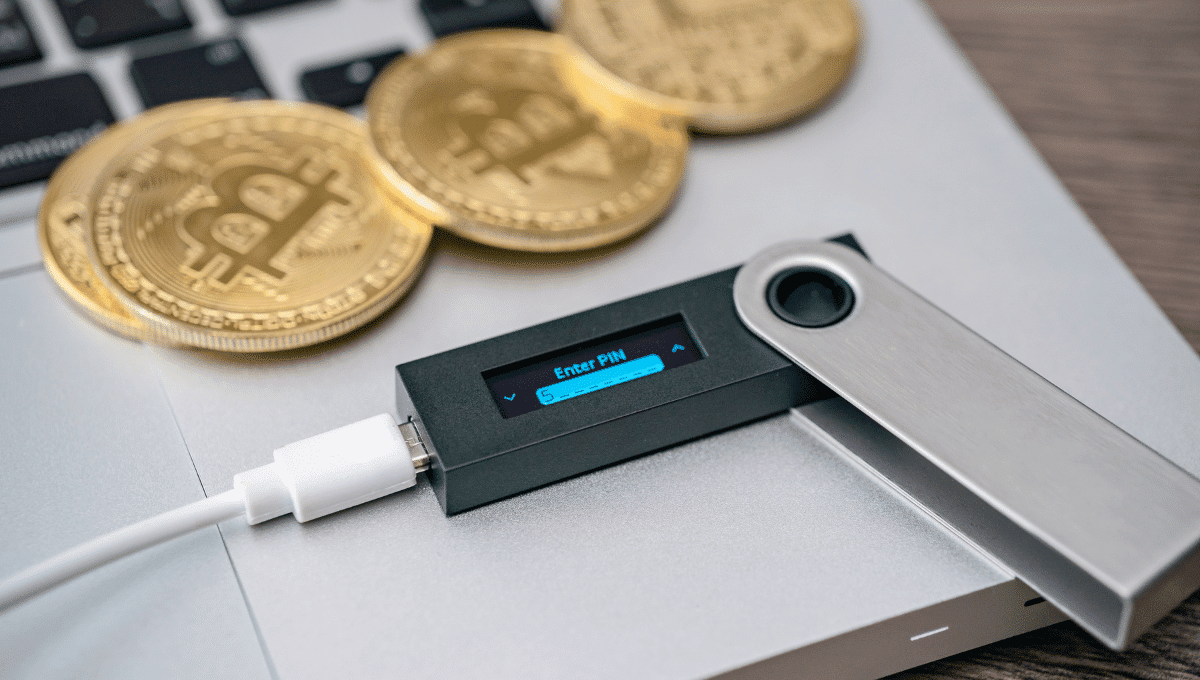
This type of cryptocurrency wallet is offline and considered more secure than hot wallets. Cold wallets are often used to store large amounts of cryptocurrency for long-term holding.
However, they can be less convenient to use than hot wallets and require more setup and maintenance. It is important to use reputable cold wallets and store them in a secure location to prevent loss or theft.
Hardware wallets: These are physical devices that store cryptocurrency offline. They are considered the most secure type of wallet because they are not vulnerable to hacking. Examples include Ledger Nano X, Trezor, and KeepKey.
Paper wallets: These are wallets that are created by printing out a paper wallet address and private key. They are considered one of the most secure types of wallets because they are offline and not vulnerable to hacking. However, they can be difficult to use and require a higher level of technical knowledge. Examples include BitAddress and WalletGenerator.net.
Offline software wallets: These are wallets that are installed on a computer or device that is not connected to the internet. They offer more security than hot wallets but less security than hardware wallets. Examples include Electrum offline, Armory, and Bitcoin Core offline.
Cold storage exchanges: Some cryptocurrency exchanges offer cold storage options, where users can store their cryptocurrency on the exchange’s offline servers. This is less secure than using a hardware wallet but more secure than leaving cryptocurrency on a hot wallet. Examples include Coinbase Custody, Gemini, and BitGo.
Physical coins and bars: These are physical coins or bars that contain a private key for a cryptocurrency wallet. They offer a unique way to store cryptocurrency offline and can be used as a backup option. Examples include Casascius coins and Denarium coins.
Hybrid wallets
Hybrid wallets are a type of cryptocurrency wallet that offer a combination of features from both hot and cold wallets. They are often used by businesses or organisations that require both security and convenience. However, hybrid wallets can be more complex to use than other types of wallets and require a higher level of technical knowledge.
- Desktop wallets: These are wallets that are installed on a desktop computer or laptop. They can be used to store a wide range of cryptocurrencies and offer more features than mobile wallets. Desktop wallets can be considered a hybrid wallet because they can be both hot and cold, depending on whether the computer is connected to the internet. Examples include Electrum, Armory, and Bitcoin Core.
- Multisig wallets: These are wallets that require multiple signatures to complete a transaction. They offer an extra layer of security because they require multiple parties to agree on a transaction. Multisig wallets can be used in combination with hot or cold wallets. Examples include Copay, BitGo, and GreenAddress.
- Web-based wallets with cold storage: Some web-based wallets offer a combination of hot and cold storage. They allow users to access their cryptocurrency online, but also offer a cold storage option for extra security. Examples include Coinbase Vault, BitGo Instant, and Xapo.
- Smart contract wallets: These are wallets that are created using smart contracts on the blockchain. They offer more advanced features than traditional wallets, such as the ability to create decentralised applications and execute complex transactions. Smart contract wallets can be considered a hybrid wallet because they can be both hot and cold, depending on the user’s setup. Examples include Gnosis Safe, Argent, and MyEtherWallet.
- Mobile wallets with biometric authentication: Some mobile wallets offer biometric authentication, such as fingerprint or face recognition, for added security. These wallets can be considered a hybrid wallet because they offer the convenience of a hot wallet with the added security of biometric authentication. Examples include Edge, Bread, and Abra.
Crypto wallet security
Public and private keys are essential components of cryptocurrency wallets. Public keys are used to receive cryptocurrency, while private keys are used to send cryptocurrency. Both keys are generated when a wallet is created, and they work together to facilitate transactions.
Public keys can be shared with others to receive cryptocurrency, while private keys must be kept secure to prevent unauthorised access to the wallet. It is important to store private keys in a secure location, such as a hardware wallet or offline storage device, to prevent theft or loss.
Seed phrases are another important component of cryptocurrency wallets. A seed phrase is a series of words that are used to backup and restore a wallet. When a wallet is created, a seed phrase is generated and can be used to recover the wallet in case the private keys are lost or stolen. It is important to keep seed phrases secure and never share them with anyone else.
How to choose cryptocurrency wallet
When choosing a cryptocurrency wallet, it is important to consider factors such as security, convenience, and compatibility. It is also important to evaluate a wallet’s security features, such as whether it uses multi-factor authentication and whether it allows users to control their private keys.
Additionally, it is important to follow best practices for storing and managing cryptocurrency, such as keeping private keys and seed phrases secure and regularly updating software.
Conclusion
In conclusion, cryptocurrency wallets are essential tools for managing digital assets. There are different types of wallets available, each with their own advantages and disadvantages. It is important to secure private and public keys and seed phrases, as well as to choose a wallet that meets your needs and offers strong security features. By following best practices for managing cryptocurrency, users can minimise the risk of theft or loss and enjoy the benefits of this emerging technology.