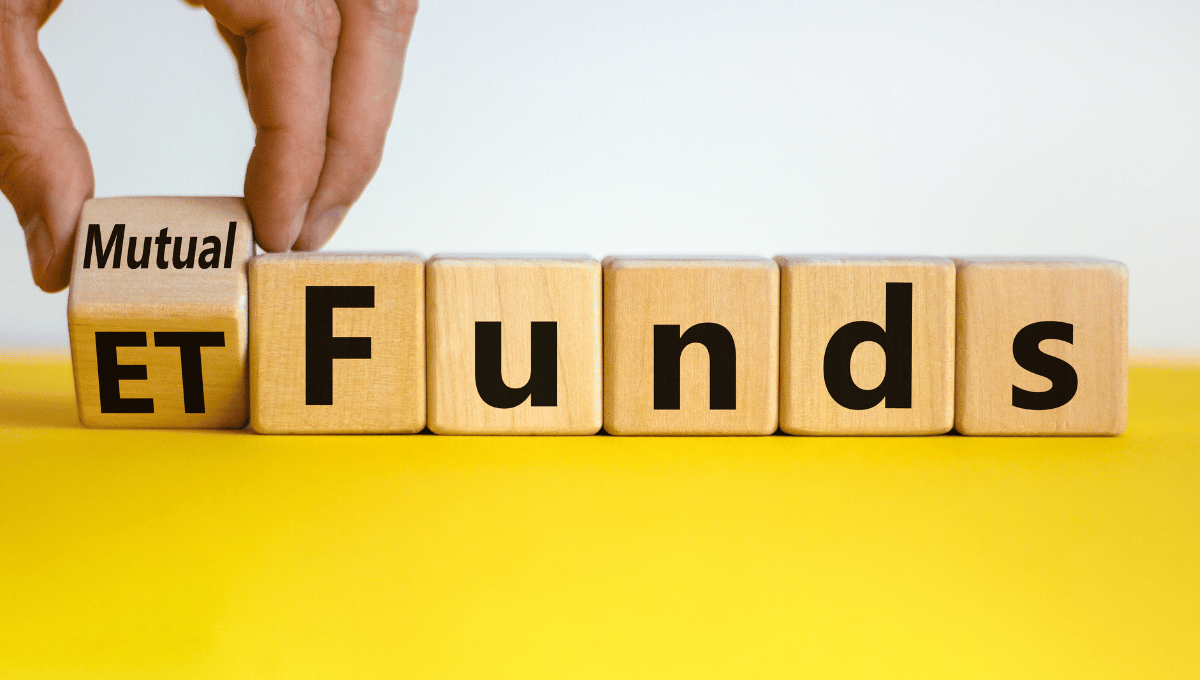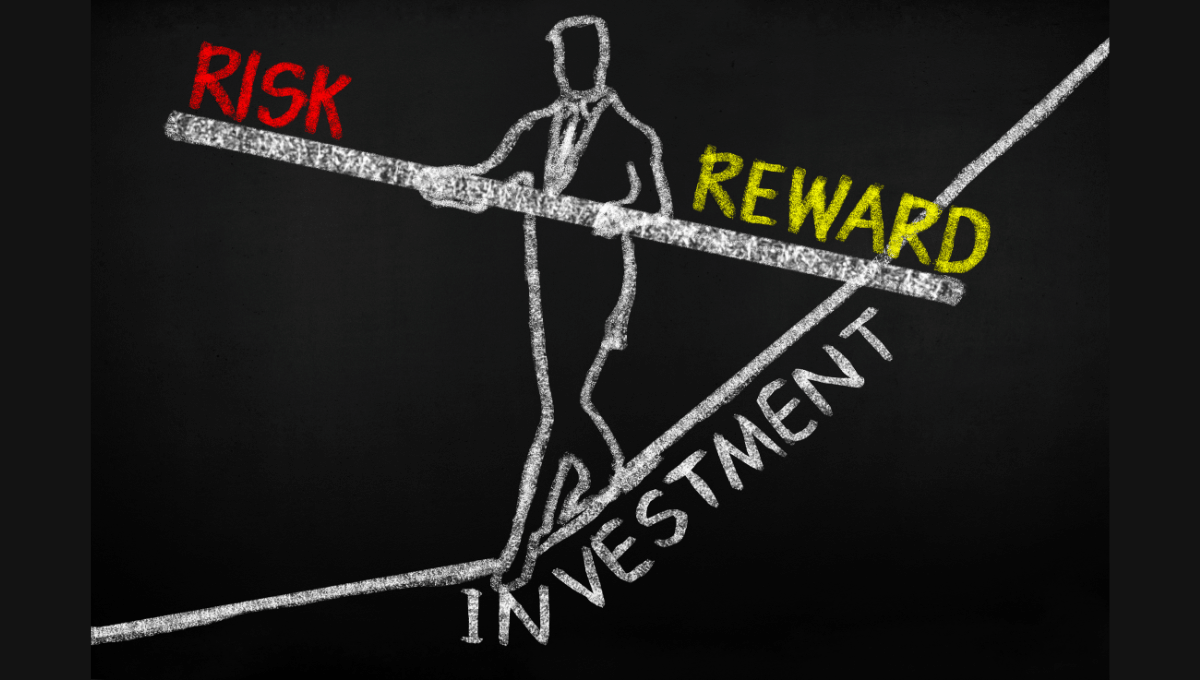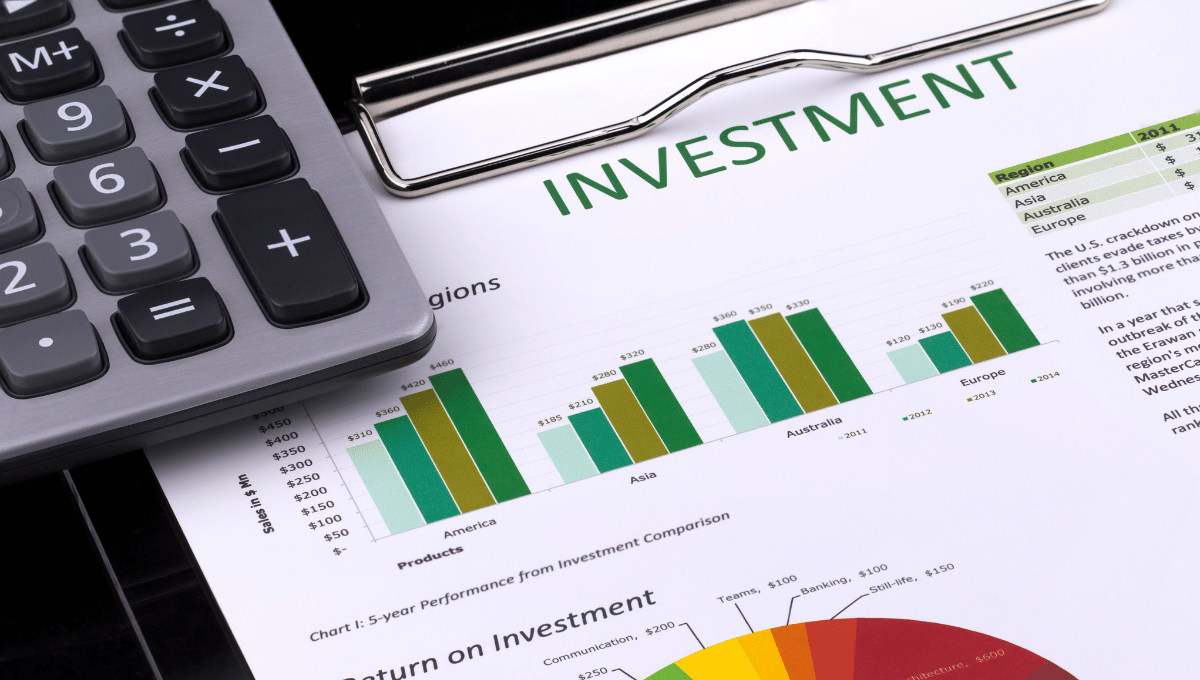
Understanding how to evaluate ETF performance is crucial for investors to make informed decisions and achieve their financial goals. Investing in exchange-traded funds (ETFs) can be a smart move for those seeking a diversified portfolio with lower fees than traditional mutual funds. However, with so many ETF options available, it can be challenging to determine which ones are performing well and how to monitor your investments effectively.
In this article, we will explore the key factors to consider when evaluating ETF performance and provide tips on how to monitor your investments.
Understanding ETF Performance

To properly evaluate ETF performance, investors should understand the key metrics used to measure an ETF’s success.
- Net Asset Value (NAV): The total value of all the underlying assets of the fund divided by the number of shares outstanding.
- Expense Ratio: The annual fee charged by the ETF provider for managing the fund, expressed as a percentage of assets under management.
- Yield: The annual income generated by the fund, expressed as a percentage of its Net Asset Value (NAV).
- Benchmark Performance: The fund’s performance compared to a benchmark index.
- Market Price: The price at which the ETF is traded on an exchange.
- Trading Volume: The total number of shares traded in the ETF over a specified period of time.
- Tracking Error: The difference between the performance of the ETF and its benchmark index.
- Alpha and Beta: Measures of the ETF’s volatility and risk-adjusted returns compared to the market.
- Sharpe Ratio: A measure of the ETF’s risk-adjusted returns.
- Standard Deviation: A measure of the volatility of the fund’s returns.
- Liquidity: The ease with which the ETF can be bought or sold.
- Diversification: The degree to which the ETF holds a variety of different types of assets.
- Holdings and Weightings: The specific securities held by the ETF and their relative weightings.
- Historical Performance: The fund’s past performance over a period of time.
- Risk-adjusted Returns: The ETF’s returns adjusted for the level of risk taken on.
Understanding and tracking key performance metrics is essential for evaluating ETF performance and monitoring your investments effectively. By considering factors such as market conditions, fund manager expertise, and asset allocation, investors can make informed decisions and manage risk.
By using tools such as alerts, performance tracking, and periodic portfolio reviews, investors can stay on top of their ETF investments and adjust their portfolios as needed to optimise returns and achieve their financial goals.
Factors to Consider When Evaluating ETF Performance
Several factors can affect an ETF’s performance, and investors should consider these factors when evaluating an ETF’s potential for success. Market conditions, such as economic growth, inflation, and interest rates, can have a significant impact on an ETF’s performance, as can sector performance.
For example, an ETF focused on tech stocks may perform well during a period of technological innovation but struggle during a market downturn. The expertise of the fund manager is another important factor to consider, as skilled managers can help identify investment opportunities and navigate market turbulence. Investors should also consider the size and liquidity of an ETF, as well as its diversification across different asset classes and geographies.
Tips for Monitoring Your ETF performance.
To monitor their ETF investments effectively, investors can use a variety of approaches, depending on their individual preferences and goals.
- Set up alerts or notifications for significant changes in ETF performance
- Use performance tracking tools and online resources to monitor ETF performance relative to benchmark indices and comparable ETFs
- Conduct periodic portfolio reviews to identify any imbalances in asset allocation and rebalance portfolios to manage risk and optimise returns.
Taking a proactive approach to monitoring ETF investments is critical for long-term success in the world of investing.
Common Pitfalls to Avoid
Here are some common pitfalls to avoid when evaluating your ETF investment performance:
Chasing Returns: One common mistake that investors make is chasing returns. This means investing in an ETF that has had high returns in the past without considering the underlying investments or the risks involved. This strategy can be very dangerous because past performance is not indicative of future results, and high returns may not continue in the future. Investors should instead focus on their investment goals, risk tolerance, and the underlying investments in the ETF when making investment decisions.
Ignoring Fees: Another pitfall to avoid is ignoring fees. ETFs generally have lower fees than mutual funds, but some ETFs can have higher expense ratios than others. Investors should carefully review the fees associated with an ETF before investing in it to ensure that the fees are reasonable and in line with their investment goals.
Overtrading: Overtrading is another common mistake that investors make. This means buying and selling ETFs frequently, which can result in higher transaction costs and taxes. Investors should instead focus on a long-term investment strategy and avoid making frequent trades in their ETFs.
Failing to Rebalance: Finally, failing to rebalance an ETF portfolio is another pitfall to avoid. ETFs are designed to track an index or benchmark, but over time, the portfolio can become unbalanced due to changes in the market. For example, if a particular sector of the market experiences significant growth, it may become overweight in an ETF portfolio. Investors should regularly review their ETF portfolios and rebalance them to ensure that they remain in line with their investment goals and risk tolerance.
When to Consider Making Changes
Investing is not a set-it-and-forget-it type of activity. To ensure that your portfolio continues to align with your financial goals and risk tolerance, you need to constantly monitor and, in some cases, make necessary adjustments. Below are a few scenarios when you may need to reconsider your ETF investments.
-
Discussion of scenarios that might necessitate portfolio adjustment
Significant Deviation from Benchmark: Each ETF is designed to track a specific benchmark index. If your ETF has been consistently underperforming its benchmark, or deviating significantly from it, it could be a sign that something isn’t right. This deviation could be due to many factors, such as high management costs, poor fund management, or other underlying issues with the assets in the fund.
It’s important to investigate the reasons behind this underperformance and consider whether a change is warranted.
Change in Financial Goals or Risk Tolerance: As you move through different stages of life, your financial goals and risk tolerance may change. For example, as you get closer to retirement, you might want to shift towards more conservative investments to protect your savings. Conversely, if you’re in your early career stage, you may want to take on more risk for potentially higher returns.
If your current ETF investments no longer align with your financial goals and risk tolerance, it might be time to make some adjustments.
Major Shifts in the Market or Economic Outlook: The market is dynamic and ever-changing. Significant market events or changes in the overall economic outlook can impact the performance of your ETFs.
For instance, a sudden bear market, geopolitical instability, or changes in monetary policy could affect the sectors or regions your ETFs are invested in. In such scenarios, reevaluating your portfolio might be a prudent move.
-
Considerations when adjusting your portfolio
When making changes to your portfolio, consider the tax implications, transaction costs, and how the change will affect your portfolio’s overall diversification. Additionally, it’s important to avoid knee-jerk reactions.
Make sure any adjustments are thoughtful, measured responses to fundamental changes in the ETF or your financial situation, rather than reactionary moves prompted by short-term market volatility. Remember, investing is a long-term endeavour, and patience often pays off.
Conclusion
In conclusion, evaluating ETF performance and monitoring investments is crucial for investors seeking to achieve their financial goals. By understanding the key metrics used to measure an ETF’s performance, investors can assess an ETF’s potential for success and identify any areas of concern.
Factors such as market conditions, sector performance, and fund manager expertise can also have a significant impact on an ETF’s performance, and investors should carefully evaluate these factors when selecting ETFs for their portfolios.